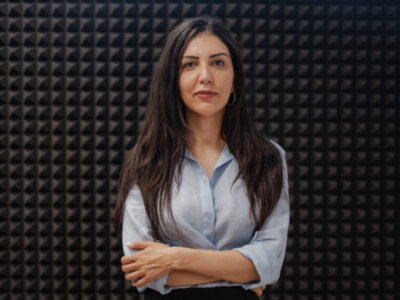
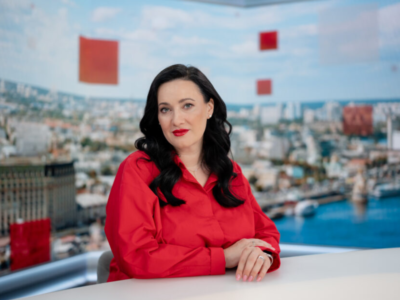
Margaryta Dykaliuk is the editor-in-chief of The Ukrainian Week. She took over the newsroom in May 2024, after the start of the full-scale war, succeeding Serhiy Demchuk, who joined the ranks of the Armed Forces of Ukraine.
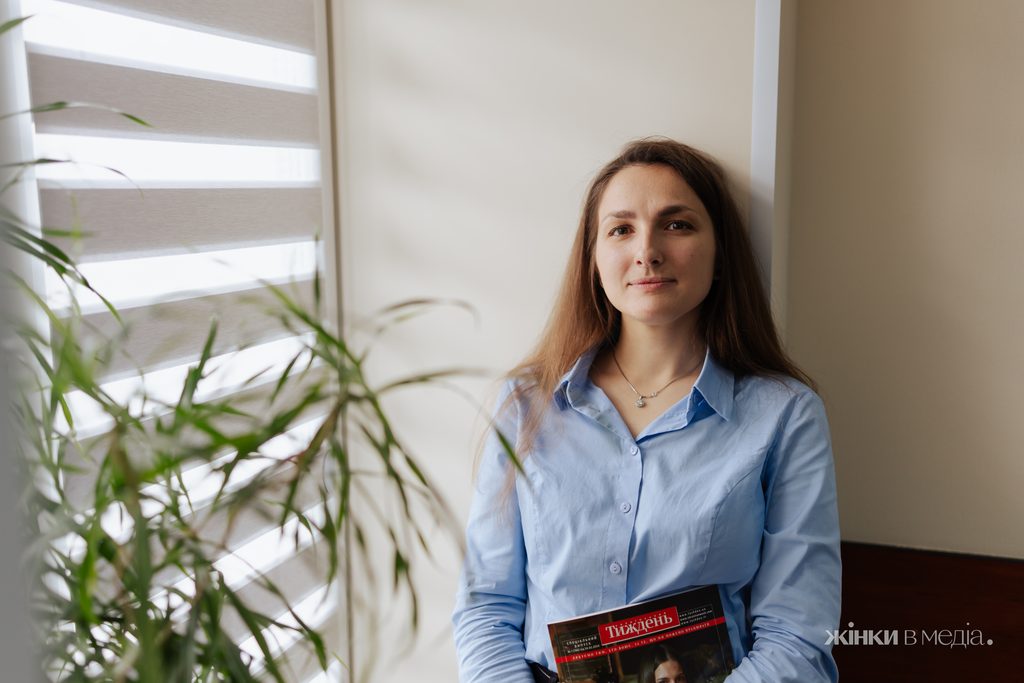
In 2025, Margaryta Dykaliuk became one of the participants in “Women Leaders in Media — Ukraine-EU Support Program,” run by Women in Media NGO in cooperation with the European Centre for Press and Media Freedom (ECPMF) and with the support of the Federal Foreign Office of Germany.
In this interview for Women in Media, Margaryta talks about her professional path at The Ukrainian Week, the threats facing Ukraine’s media sector today, women’s leadership, and the principles that underpin the newsroom’s work.
A career path
The Ukrainian Week’s first editor-in-chief was Yuriy Makarov, who was invited to lead the new outlet back in 2007. What was your own path to The Ukrainian Week, and how did you eventually become its editor-in-chief?
The Ukrainian Week isn’t my first job, but I’ve been lucky to work at outlets that always had Ukraine in their names. After university, I landed an internship at an editorial team that brought together three outlets: the website Gazeta.ua, the print newspaper Gazeta Po-Ukrainsky, and Krayina magazine.
Naturally, it all began on the news desk: rewriting, hunting down stories, learning the ropes. I was fortunate to meet people whose guidance I still rely on today. Before long, I was offered a permanent position. The print newspaper came out twice a week back then, and it was quite painstaking work. My responsibilities included developing topics, writing my own pieces, gathering comments, and conducting interviews. Later, I also joined the work on special features for Krayina magazine. All in all, I spent more than three years there, before leaving on maternity leave.
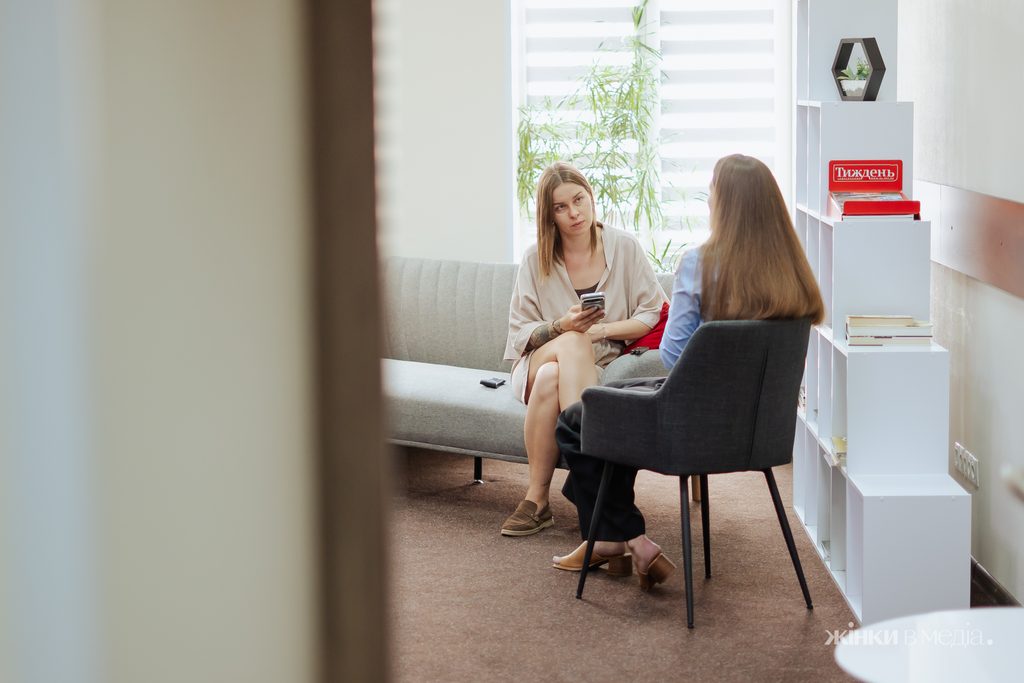
After a few months of adjusting to life on maternity leave, I realized I wanted to keep moving forward and needed to work in order to be financially independent. So I started freelancing, fitting my work around my child’s naps and walks. This was during the COVID lockdown, so I made heavy use of Zoom, Google Meet, and the phone. That’s when I first began writing for The Ukrainian Week as a freelance contributor.
When I was coming off maternity leave and looking for new opportunities, I was offered a staff journalist position at The Week. The publication’s editor-in-chief at the time was Serhiy Demchuk. As it happened, he had been my colleague at my previous job. I joined the newsroom focusing primarily on economic topics. I can say the team gave me a very warm welcome.
Later, Serhiy Demchuk was mobilized into the Armed Forces, and I was offered the chance to lead the newsroom. It was a difficult and carefully weighed decision, since I had no prior experience running a media outlet. We talked it over as a team and decided that, leaning on mutual support, this would be the right step under the current circumstances.
For me, it was an enormous responsibility, because The Ukrainian Week is an outlet with a rich history. It was founded in 2007, at a time when Russian-language media and the active promotion of Russian narratives dominated the information space. The Week was one of those Ukrainian-language magazines that stood on clear principles, spoke about Ukraine’s history and culture, and weren’t afraid to ask pointed questions.
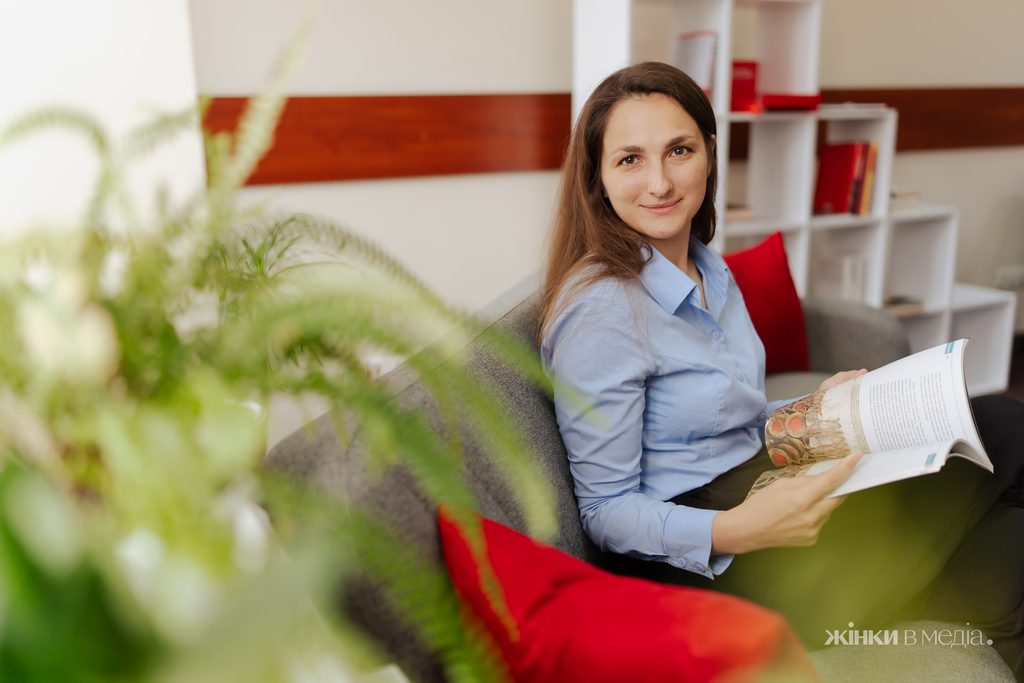
All the previous editors — Yuriy Makarov, whom I deeply respect, and my immediate predecessors, who went off to defend the country after the full-scale war began — laid a solid foundation. My task today is to keep the media alive, carry on my colleagues’ work, and at the same time adapt the outlet to new challenges and transformations.
Running the newsroom in wartime
Two of your predecessors as editor-in-chief, Yuri Lapaiev and Serhiy Demchuk, joined the army. Your homepage carries the line: “Thanks to all, who fights, that we can work.” How did your colleagues’ mobilization change the newsroom itself — its structure, workload, topics, and way of working?
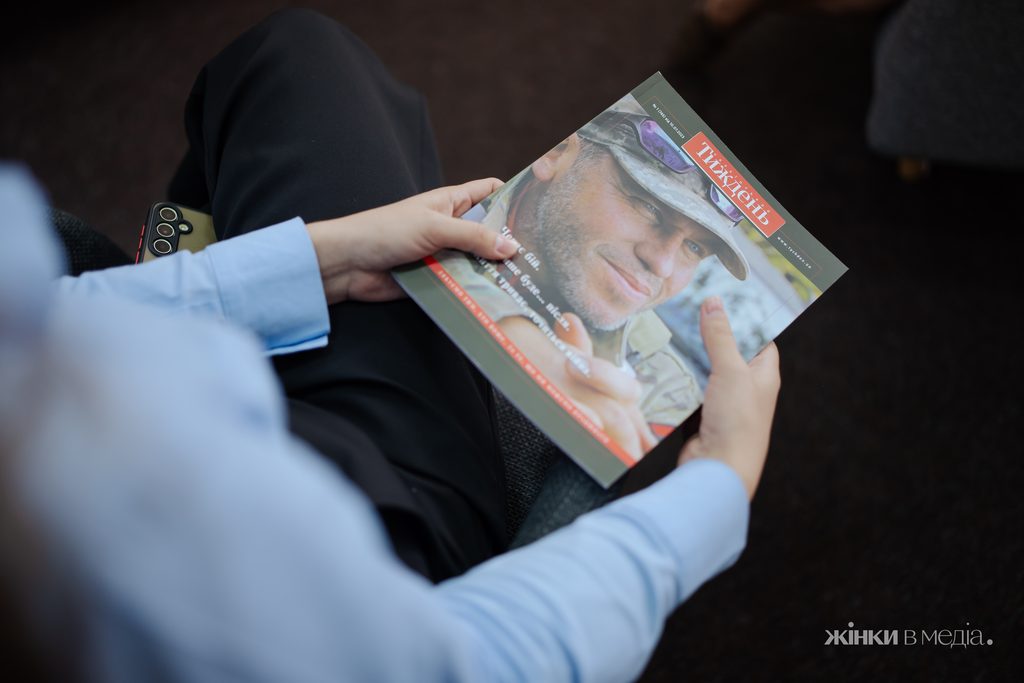
I took over the newsroom after the full-scale invasion had already begun, but the transformations had started earlier. On February 23, 2022, the most recent issue of the print magazine came out — the one we managed to distribute to sales points overnight. With the onset of the full-scale invasion, we had to cut the team and move our work entirely online. The website had existed before, but it mostly duplicated the print materials; now it became our main platform.
Many of our colleagues were mobilized; some, sadly, have been killed. Despite this, we keep working. Responsibilities within the team are redistributed. We have a small but highly professional team, where journalists often take on editorial work, and editors take on organizational tasks. On the one hand, the workload has grown, and people are exhausted, like most Ukrainians right now. On the other, it’s a testament to real professionalism and to the ability to organize the process well.
In terms of topics, The Week hasn’t changed its editorial direction. We remain an analytical outlet oriented toward thoughtful reading and long-form pieces that invite reflection. Our core themes are still the humanities: history, culture, science, and education. We look at international politics through the lens of how global decisions affect Ukraine and what place our country holds in the world. Of course, the theme of war has become a thread running through all our material, because it’s the context we live in every day.
Our work schedule has changed, too. The lockdown and the war cemented our move away from mandatory nine-to-six office hours. What matters most to us is the quality of the material and people’s comfort and safety. So we combine remote work with in-office meetings for joint discussions and face-to-face contact.
Competing for attention: the tools of an analytical outlet
The Ukrainian Week doesn’t operate on the logic of a classic news feed; it bets on analysis and thoughtful reading. How does this model hold up today, when media outlets compete for audience attention with social networks, short videos, and an endless stream of news?
If you judge purely by the dry metrics of reach, in-depth analysis loses out to fast news. But we don’t compete with news feeds, and we don’t plan to introduce one. The Week’s goal is to create texts that stay relevant not just “here and now,” but a week, a year, or even longer from now. We often turn to our archives, updating and refreshing important pieces from years past, because they get at fundamental things.
Today there’s a problem in the information space with Telegram channels that, in the pursuit of speed and clickability, often spread unverified information. Our path is different. However, we can’t ignore current trends, and we’re actively developing our social media. For instance, we adapt our lengthy YouTube video interviews into short forms like Reels and Shorts. For us, that’s a tool in the fight for the reader’s attention — not for the sake of a cheap, hype-driven line, but to encourage people to move on to the website or the YouTube channel and dive into the deeper context of an issue.
It sometimes saddens me when arguments flare up under social media posts between people who don’t read past the headline and build their criticism on their own imaginings. It shows that not everyone today is ready for thoughtful reading. But our task is to preserve quality for our reader.
Who is The Ukrainian Week’s reader?
Our reader is an educated, intellectually curious person who wants to see the context and the background behind events, not just brief facts. It’s someone interested in history, culture, and education, someone who wants to understand Ukraine’s role in the world and knows how to form their own opinion.
The French edition and an international presence
Besides Ukrainian and English, your publication also has a French version of its website. Why was French chosen at the time, and which audience does it serve?
We launched the French-language page at the start of the full-scale invasion. It exists as a separate strand within our media brand. It’s headed by Alla Lazareva, our own correspondent in Paris and deputy editor-in-chief. Even before this, she was a significant voice for Ukraine in France, taking part in television broadcasts and debates.
French is one of the key tools of the global information space. France is an important ally of Ukraine that influences decision-making in Europe. It was fundamentally important for us to convey Ukraine’s position to a French-speaking audience, as a counterweight to the powerful Russian propaganda still present in the French media landscape. If we don’t tell our own story, our enemies will — in whatever interpretation suits them.
What’s more, French is widely spoken in many African countries, where Russia is now actively pushing its manipulative narratives and recruiting mercenaries. Thanks to the French-language page, we’re working to stay one step ahead.
How do you decide which Ukrainian topics and stories are important to bring specifically to French-speaking readers?
Unlike the Ukrainian site, the French version has a news format, because foreign readers often need context explained that is obvious to Ukrainians. It publishes both translations of our best analytical pieces and original articles geared toward the French-speaking space. And we can see the feedback: we’ve built up a solid, established audience, and our points from the French version of X, formerly Twitter, are regularly quoted by local opinion leaders.
Editorial principles and compromises
If you stripped away The Ukrainian Week’s name, logo, and design, by which three signs should a reader recognize that this is a piece from your outlet?
I think the first sign is depth and analytical rigor. These are texts that prompt reflection, analysis, and the forming of one’s own position — not something for quick consumption.
The second I’d name is intellectual independence and impartiality. The outlet doesn’t bend to fleeting, opportunistic trends or political interests. We consistently speak about Ukraine’s agency, regardless of whether that happens to be popular at any given moment.
The third is a Ukrainian view of the world. We look at global and international events not in isolation, but through the lens of Ukraine’s interests and our place in global processes.
What principles guide you in your work as editor-in-chief? What compromise — for the sake of audience, reach, or influence — would you never make?
Our key principles are accuracy, responsibility to our readers, and independence. We never pass off assumptions as facts, we don’t use dubious insider tips of the “our own sources have learned” variety, and we don’t offer unverified information. Since its founding in 2007, The Week has earned a high level of trust, and we cannot betray it. Nor do we broadcast anyone’s political or business interests.
As for compromises: we will never publish a text solely for the sake of reach or clickability. We readily turn down authors, even regular ones, if a proposed topic doesn’t fit The Ukrainian Week’s profile and values. We appreciate it when authors come to us not with a finished text but with an idea we can discuss within our editorial standards. Quality over quantity — that’s us.
Public policies: gender equality and artificial intelligence
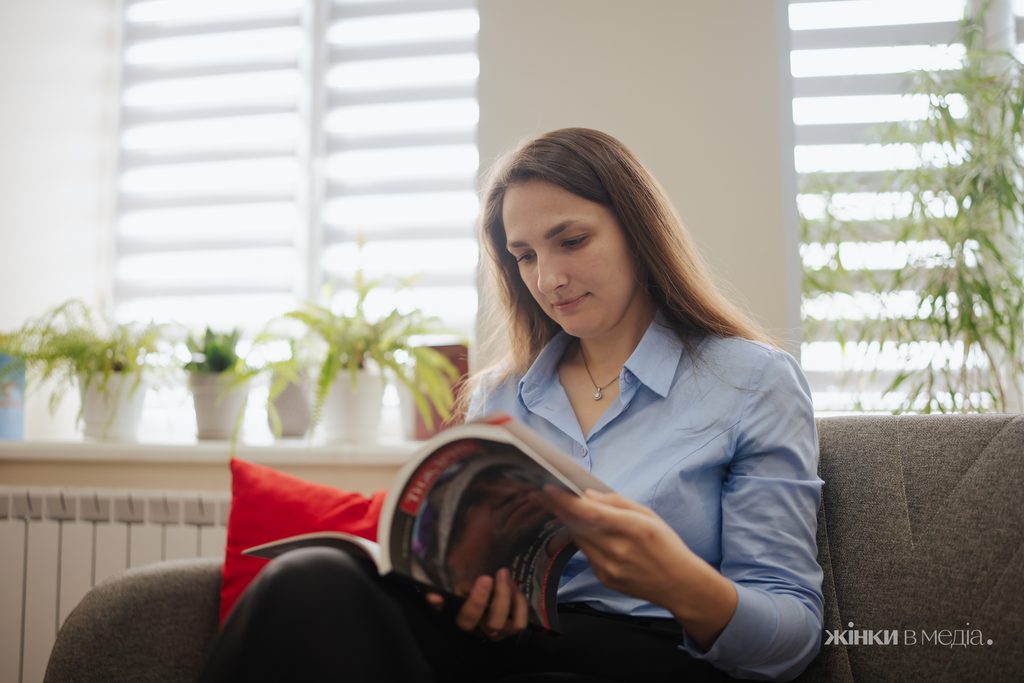
Over the past year, you’ve begun to formalize things that once existed as unwritten editorial rules. Two examples are your new gender policy and AI policy. Why did it become important for the newsroom to put these principles into public documents right now?
Last year we adopted a gender equality policy, and recently we published an AI policy too. Our general editorial policy is openly available on the website as well. Adopting these documents didn’t radically change our work, since we had already followed these standards. But it’s important to us to be honest and transparent with our audience.
It’s pointless to deny that AI exists. It isn’t an enemy but a helpful tool in a newsroom’s work — provided you’ve developed, so to speak, your “intellectual muscle.” We don’t use AI to write articles. For us, AI means the automated transcription of audio recordings, the voicing of text materials on the site, or auxiliary image processing. But the final word always rests with the journalist and the editor. And if an image is entirely AI-generated, we always label it.
As for the gender equality policy, it’s a document about non-discrimination, ethics, and overcoming stereotypes. With the help of the Women in Media, we put these principles into official form. Right now, in wartime, it’s important to give a voice to diversity and to bring in women as professional experts across the widest range of fields, because professionalism is not about gender.
Personal experience, sexism, and balance
In your career, have you had to face gender discrimination or sexism from colleagues, the subjects of your stories, or the like?
Fortunately, there were no overt situations of sexism or discrimination in my professional life. But there were times when I had to prove my professionalism over and above what would normally be required, because society still holds the stereotype that a man is, by default, perceived as a higher-caliber expert.
I remember a time when I was on maternity leave and freelancing. I was interviewing on Zoom during my child’s daytime nap. At one point, my son woke up. I had to pick him up to soothe him and carry on with the conversation. In that moment, I immediately noticed how the tone of the women I was speaking with changed: their answers became formal, and a distinct coolness and prejudice toward a mother with a child crept in. It was unpleasant — especially given that the two people I was talking with were themselves women.
That said, in my view, the situation in society has changed significantly for the better. People have begun talking about these problems openly, and there’s more respect for the balance between motherhood and professional fulfillment.
Women’s leadership and mutual support among women in media
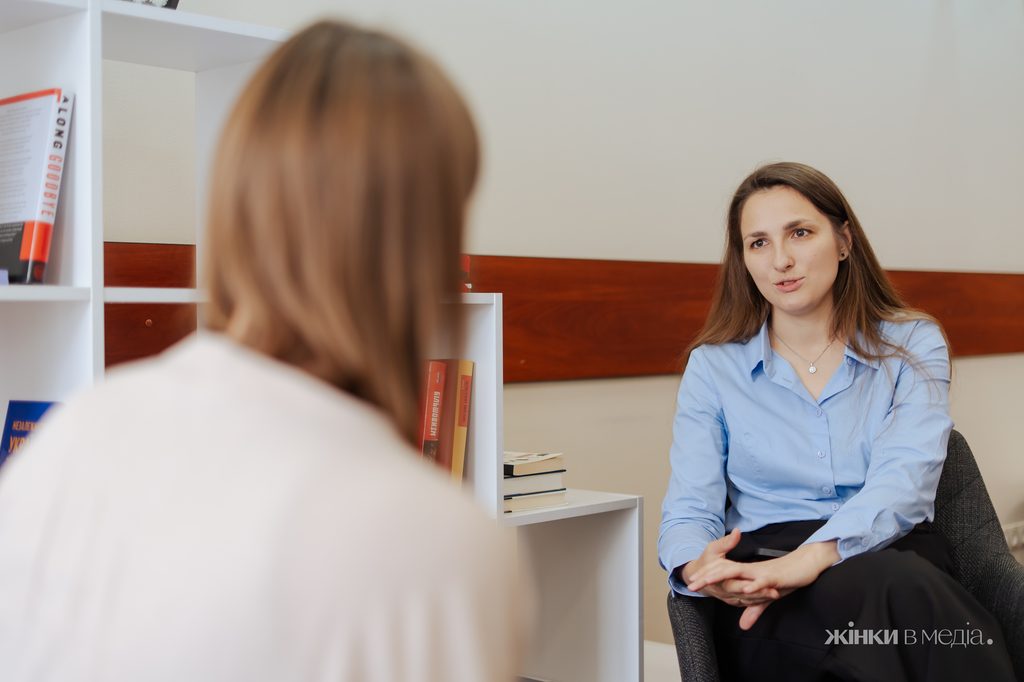
You’re a participant in the Women Leaders in Media program run by Women in Media NGO. When did you first feel yourself to be not just an editor or a journalist, but someone responsible for others, who has to lead a team? Did it change your idea of leadership?
For me, leadership is above all about responsibility and the ability to bring a team together. A leader isn’t someone who dictates rules from above, but someone who can hear everyone out, analyze a situation, and find consensus for the sake of shared goals. Leadership is definitely not about a position or a status; it’s about trust and a voice that others heed. At The Week, we’ve built exactly that kind of atmosphere, where everyone can freely express their opinion.
How can women leaders in media strengthen one another today, and why does it matter?
Today, many women have come to lead newsrooms. It’s crucial not to close ourselves off within our own editorial teams or to see colleagues as competitors, but to build shared communities. Thanks to the Women Leaders in Media, we’ve created just such a community, where we can discuss anything — from finding professional contacts and site analytics to personal advice. This exchange of experience strengthens every one of us.
Which of the key challenges facing Ukrainian media right now do you consider the most serious, and why?
The very first challenge is security. We have to bear in mind that there are no fully safe regions in Ukraine today. And editors and journalists are responsible for the team’s safety during shelling, air raid alerts, and field assignments.
The second thing I’d point to is exhaustion. People today work in a chronic stress and fatigue, combining round-the-clock work with caring for their families, yet they keep holding the information front.
The third challenge is financial. The media sector is in a difficult financial position. Seeking grants, partnerships, and funding is critical for survival, because the enemy is pouring colossal resources into the information war, and we have to counter it with quality Ukrainian content.
The future of the print magazine
Over the past few years, many Ukrainian print publications have closed or cut their circulation, partly because of funding problems. Can you imagine a situation in which The Ukrainian Week becomes a regular print magazine again?
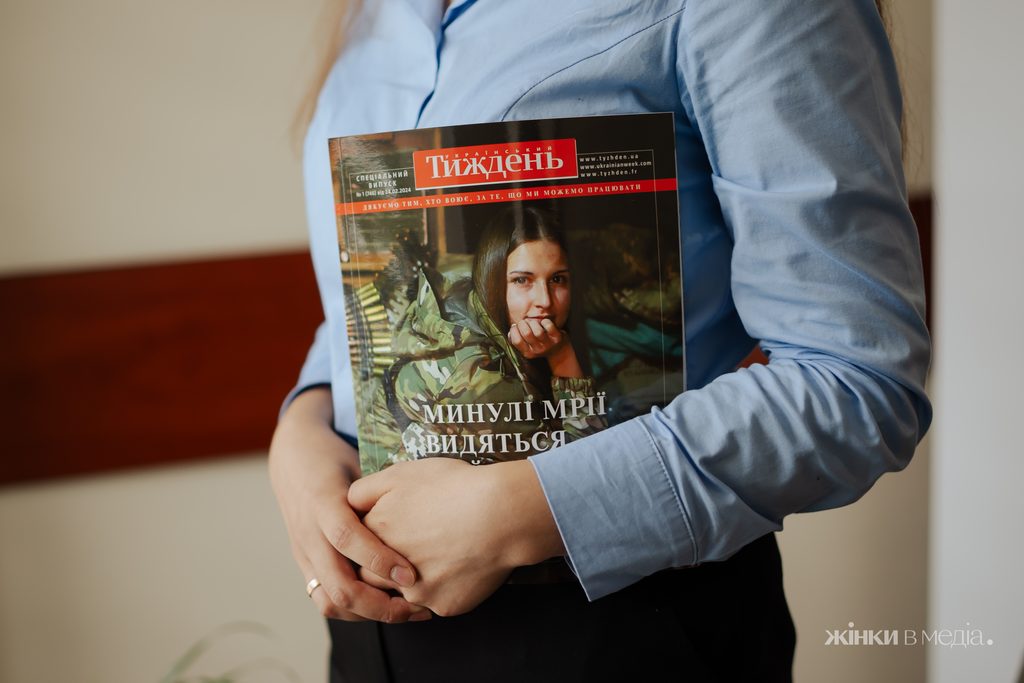
We categorically refuse to give up on the print magazine. The issue of February 23, 2022 isn’t the last one — it’s just a forced pause. Readers keep asking us about bringing back the print version, because they miss the aesthetics of paper and the covers.
In fact, even during the full-scale war, we put out two substantial print special issues of more than 200 pages each. In them, we gathered analysis and reporting on the crisis in the humanities and in education. This proves that The Week’s printed word is alive and will surely return to its reader in full.
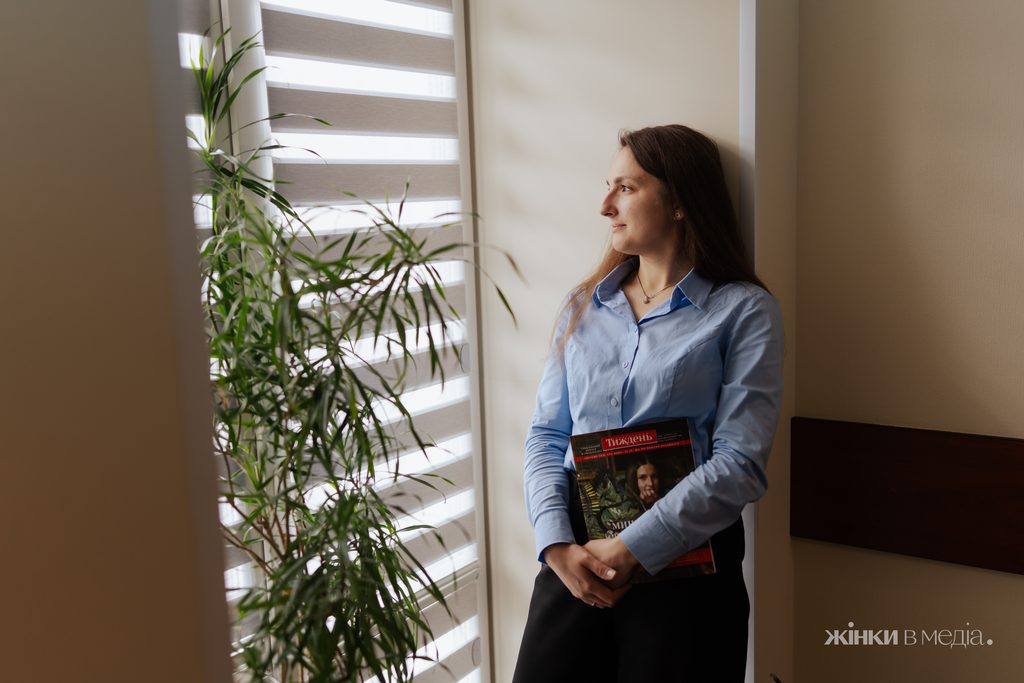
For now, the matter comes down to financial and human resources. It’s hard for me to name any specific timeline, but I believe that in the future The Ukrainian Week will be able to operate equally as a website and in print.
This material was made possible by International Media Support (IMS) as part of the project “United for Equality in the Media: Promoting Gender Equality Through Cooperation Between Public Organizations, Media, and Authorities” implemented by the NGO “Women in Media.” Any views expressed here belong to the authors and do not necessarily reflect those of the IMS.