
Sevgil Musaieva - attack 23.08.2026
Місто фіксації онлайн-атаки
KyivДата онлайн-атаки
23.08.2026Зафіксовані види онлайн-атак
Source of Threat
Social media usersСоціальна мережа, сайт чи інший онлайн-простір онлайн-атаки
FacebookOn August 23, 2026, a Facebook user using the name Volodymyr Bondarenko published a post about the newsroom of Ukrainska Pravda. The original style of the post has been preserved:
“UP editor-in-chief Sevgil Musaieva writes about how the poor things are being ignored and insulted by the authorities, but here are the facts: on August 17, 2026, the legal entity of Ukrainska Pravda—the company ‘UP Media Plus’—had its critical enterprise status confirmed. This makes it possible to defer Ukrainska Pravda employees from military mobilization for another year. Ukrainska Pravda currently has a staff of 80 people; in 2025, it had 37. That means the number of UP employees with mobilization deferments has doubled, despite Ukrainska Pravda recording losses of UAH 33 million in 2024 and UAH 18 million in 2025.”
Volodymyr Bondarenko referred to the relevant order issued by the Ministry of Culture of Ukraine.
On August 24, 2026, another Facebook user, Oleksandr Liashenko, also wrote about the same order recognizing Ukrainska Pravda as a critically important enterprise. In his post, he additionally mentioned Prime Minister Serhii Koretskyi, who had recently been appointed, and Minister of Culture Tetiana Berezhna.
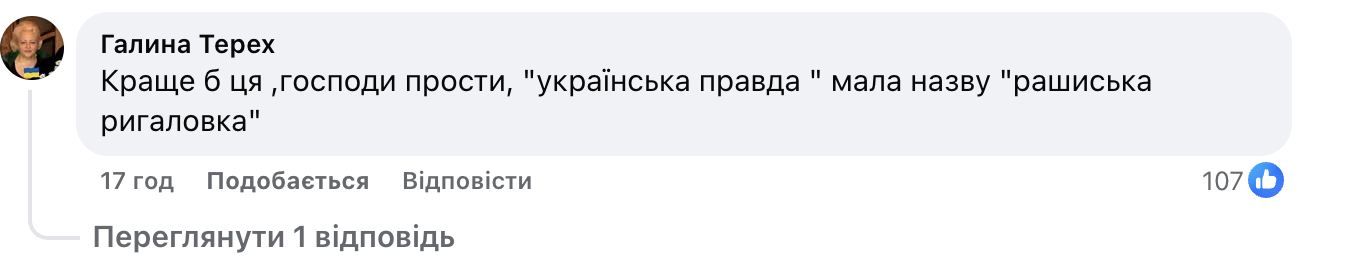
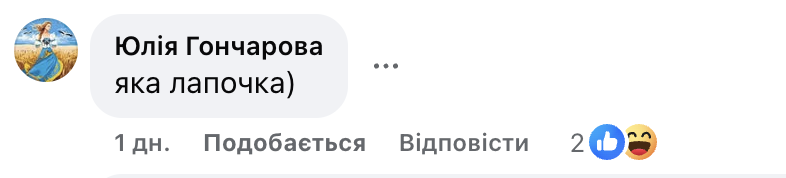

Under both posts, social media users left numerous comments containing signs of hate speech, gendered disinformation, online defamation, sexism, and misogyny, directed both at the media outlet and at its editor-in-chief, Sevgil Musaieva. Examples included:
- “What, did Musaieva offer her little box? Why the hell would she need Crimea? Her prestige is Fiala and Russia.”
- “Not a single, I repeat, not a single newspaper can be critically important nowadays. At a time when 99% of information comes from the internet, keeping journalist-whores under ‘protection,’ especially those with a reputation as enemies of Ukraine—isn’t that too much…”
- “It would be better if this, God forgive me, ‘Ukrainska Pravda’ were called a ‘Russian vomit pit.’”
- “A government-paid corrupt dump.”
- “‘Poroshenko-Putin swamp’—that’s what they should be called.”
- “A newspaper working for the enemy.”
In addition, users discussed Sevgil Musaieva’s appearance, jewellery, clothing, and the price of a watch seen in one of her photographs. Comments included:
“They probably hired security to protect Ms. Sevgil’s coral jewellery.” “You can’t recognize Sevgil after all these years of war—has she gained weight from sleepless nights with Fiala?”

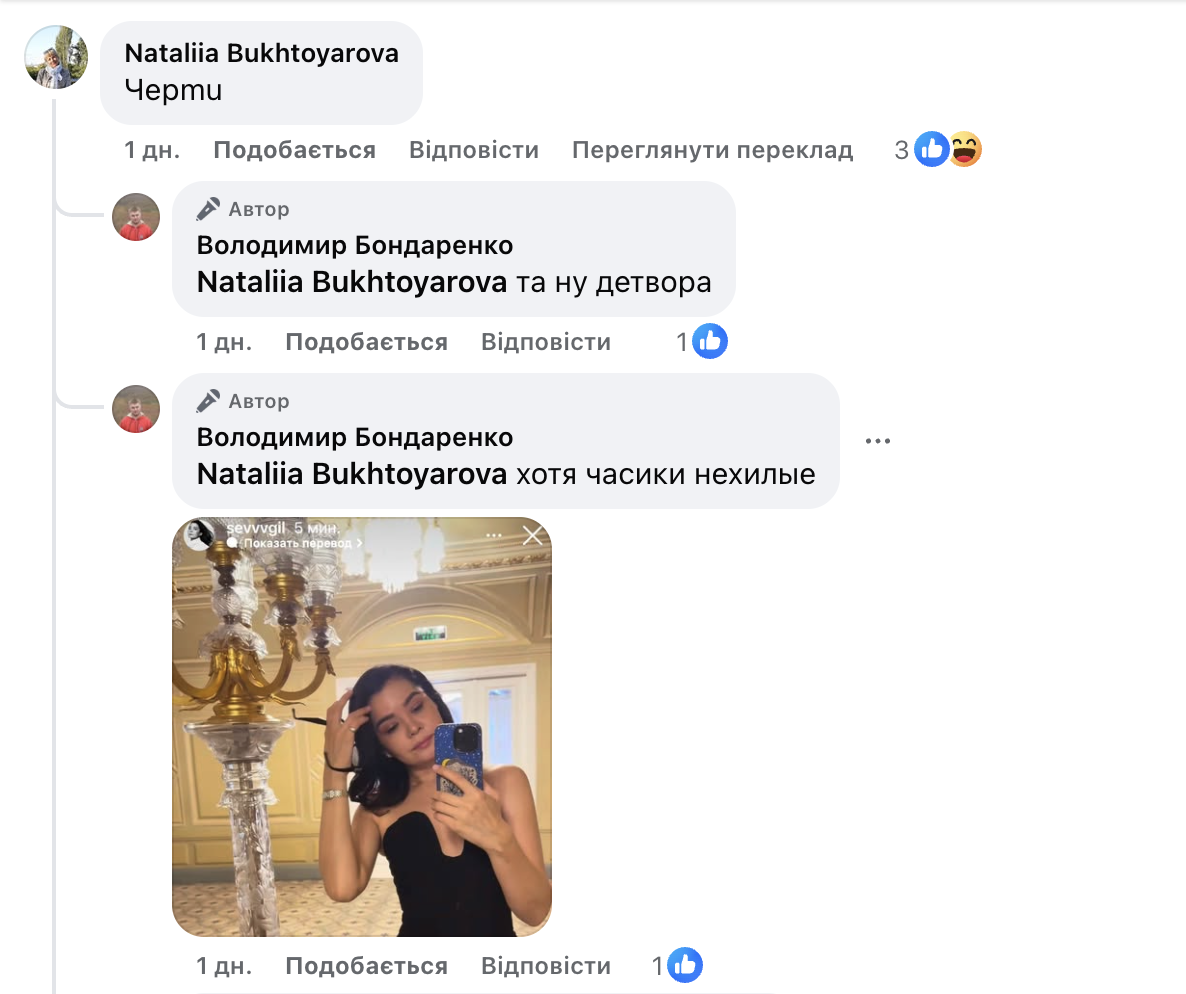
The online attack against Ukrainska Pravda and Sevgil Musaieva continued under a post published by Ukrainska Pravda in which the outlet’s editor-in-chief announced a discount on paid subscriptions to mark Independence Day. In addition to accusations of being “corrupt,” “paid for,” and “deceitful,” users referred to the newsroom as a “dump,” “Kremlin Pravda,” and “Lying UP,” among other derogatory labels.
The comments also included sexist remarks directed at Sevgil Musaieva, such as: “She’s so ugly.”, “I didn’t think she was that stupid.”
Some comments also contained sexist and discriminatory language targeting people on the basis of regional background, ethnicity, or religion. For example: “Sevgil Musaieva —are you Ukrainian? Muslim or Christian? Umerovs (a Tatar), Syrskyis, Arestovychs and Malants… it somehow sounds unpleasant to the ear…An antisemitic law… A war of Ukrainians for the powers of foreigners?”
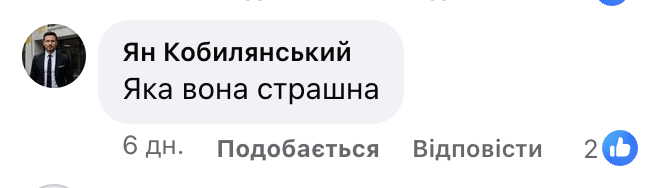
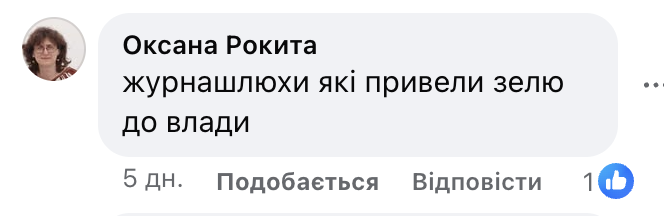
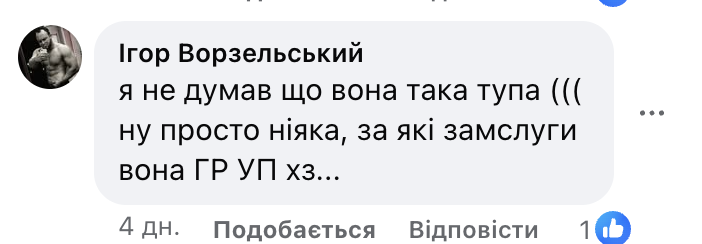
Overall, this online attack against Ukrainska Pravda and its editor-in-chief, Sevgil Musaieva, shows signs of several forms of technology-facilitated gender-based violence (TFGBV). These include gendered discrediting and online defamation, sexism and misogyny, as well as objectification and humiliation based on appearance.
Musaieva and the newsroom were accused of being “corrupt” and working for the enemy, while the journalist herself was subjected to insulting comments about her appearance, body, clothing, and jewellery. The use of sexualized insults, such as “journalist-whores,” gives the attack an explicitly gendered dimension.
The comments also contained discriminatory statements related to ethnic origin and religion. Taken together, these attacks may cause reputational and psychological harm, undermine trust in the journalist’s professional work, and create a hostile environment that can facilitate further online harassment.
Report an online attack
If you are a woman journalist who encountered an online attack or witnessed such an incident, we would appreciate your contribution. Please report this case to help us identify threats and protect the rights of women in the media. Fill out the form, share key details, and join us in creating a safer information environment.
Fill Out the Form