
Why will the question of women’s rights always be relevant? How does the global context shape us, and how do we shape the world order? Why is the fight against anti-gender movements so hard to win — and what do Colorado potato beetles have to do with it? These and other questions were discussed on June 5 in Kyiv at the forum “Ukraine’s Feminist Movement and the Global Struggle for Equality,” organized by the Ukrainian Women’s Fund as part of the project “Women’s Voice and Leadership: New Power,” with the support of the Government of Canada. Women in Media NGO co-organized one of the panel discussions.
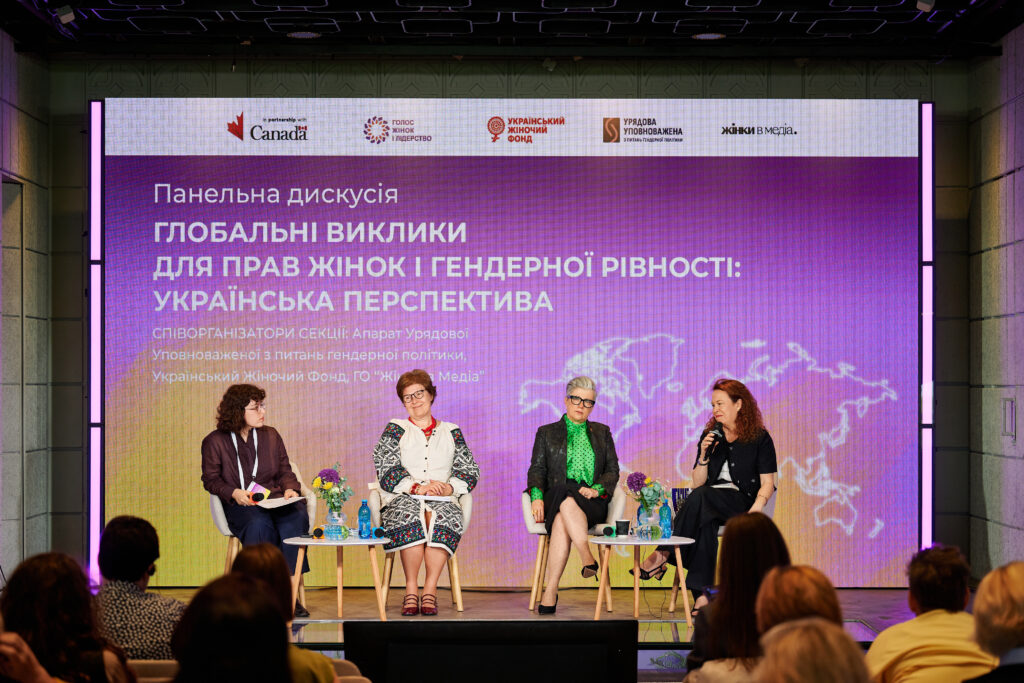
Around a hundred participants from across Ukraine gathered in Kyiv to discuss the global challenges and achievements of the feminist movement.
Natalia Karbowska, Director of Strategic Development at the Ukrainian Women’s Fund, recalled that the first modern Feminist Forum in Kyiv took place in 2020 — during the COVID-19 pandemic. Every forum since has been held during the full-scale war. But events like these matter, she noted, because Ukrainian women are now living through an experience that can be valuable for other countries.
According to Natalia Karbowska, the world is going through a period of rapid change, when old systems are breaking down and new ones are only just taking shape. In these processes, the Ukrainian feminist movement should be not only a participant but also an active voice on the international stage.
“The world is changing fast. Old systems are breaking down and new ones are being built, both in Ukraine and around the world. It’s critically important for us to be part of these processes. So far, we’re not really there. We want to talk about what we need to do, how we should speak about the Ukrainian feminist movement in a global context, and how we can amplify our voices on the world’s platforms,” Karbowska said.
“We’re seeing an alarming trend of backsliding”
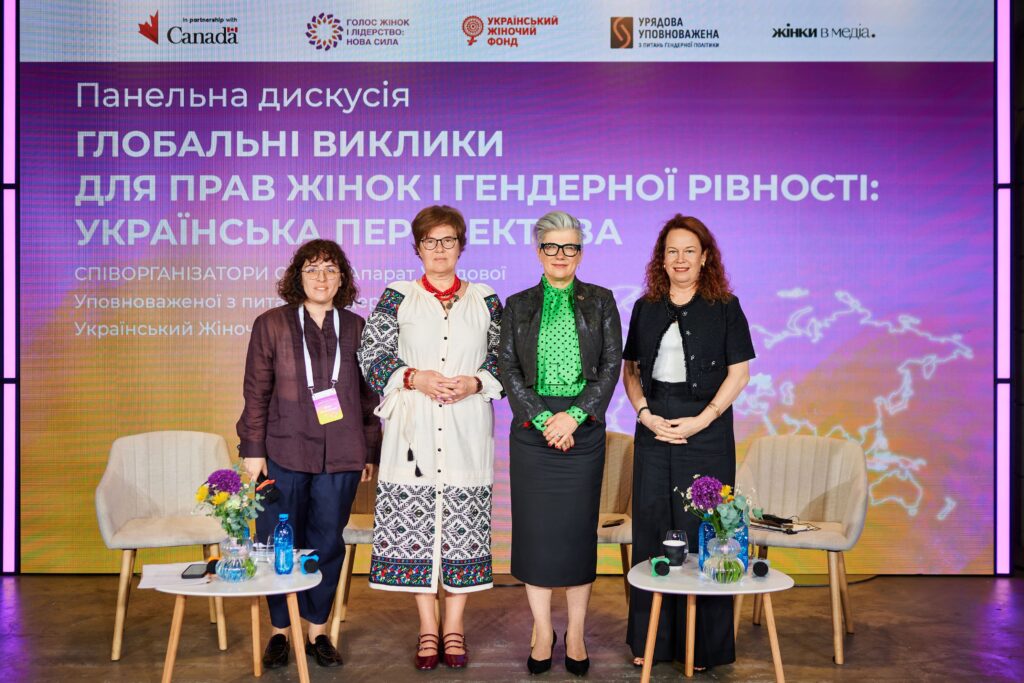
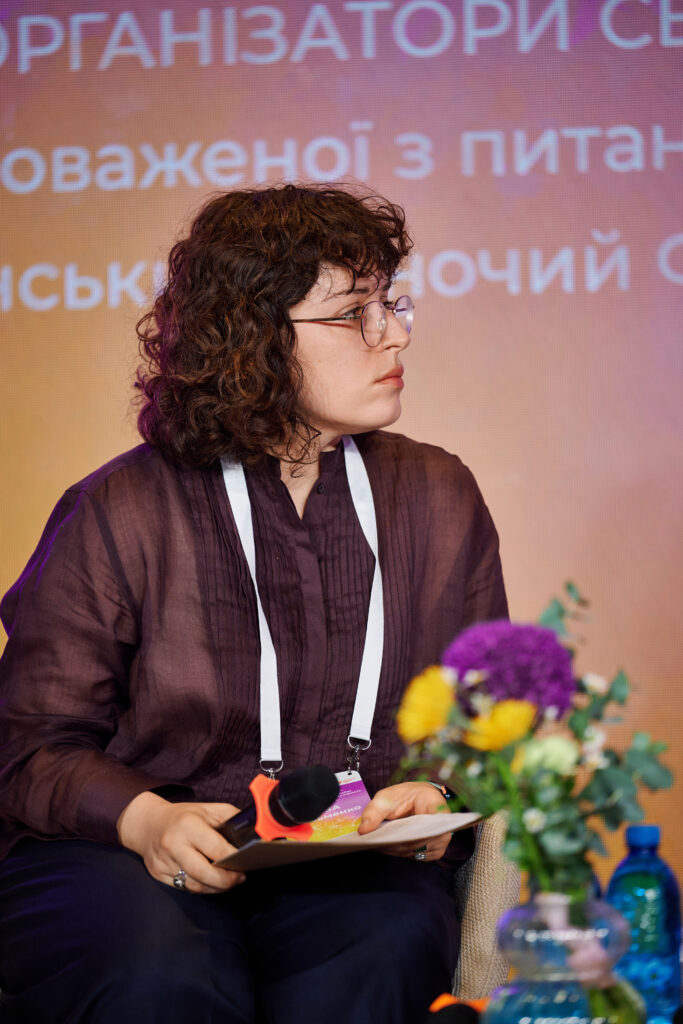
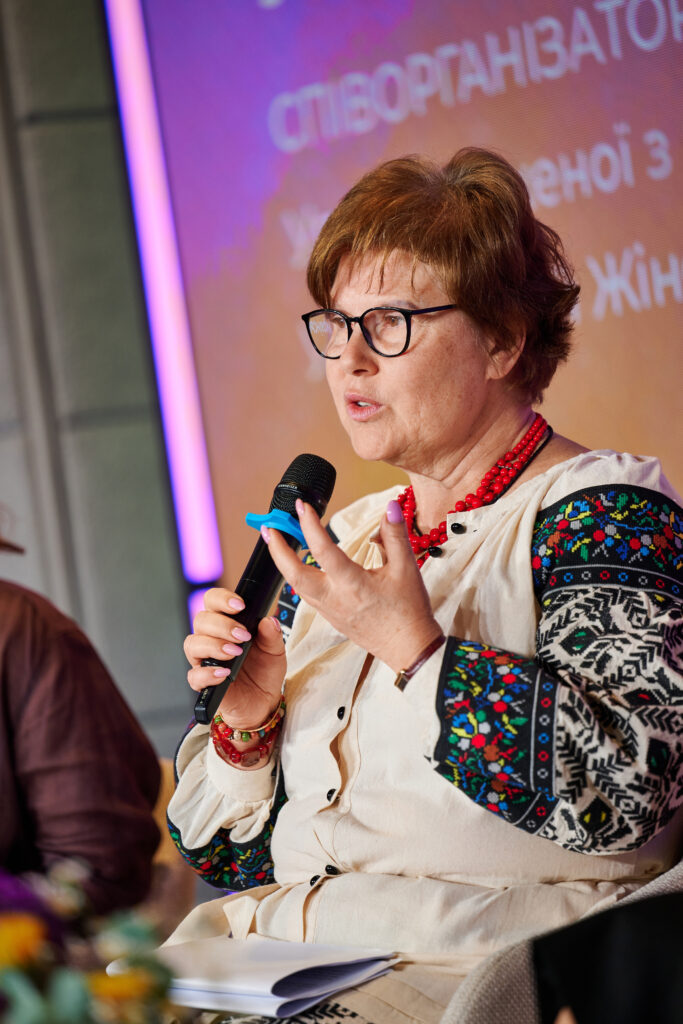
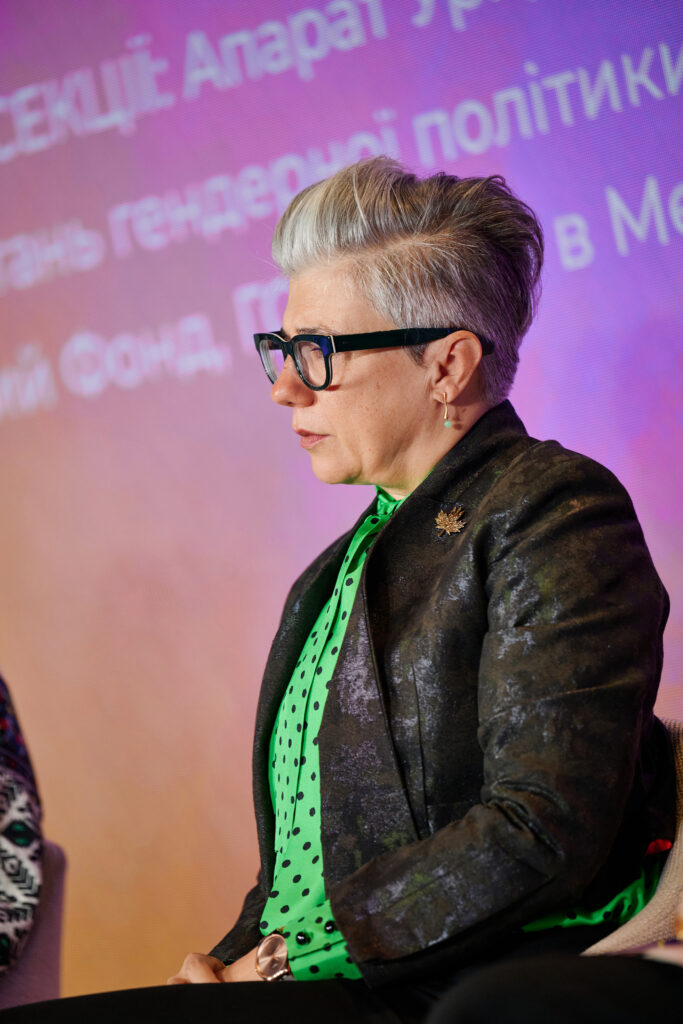
“We’d like to think that, in the 21st century, we’ve already reached the point of no return — the point after which the feminist movement could focus solely on progress. But sadly, no. We’re seeing an alarming trend of backsliding,” said Liza Kuzmenko, Head of Women in Media, as she moderated the panel discussion “Global Challenges for Women’s Rights and Gender Equality: A Ukrainian Perspective.” The discussion was co-organized by Women in Media NGO together with the Office of the Government Commissioner for Gender Equality Policy and the Ukrainian Women’s Fund.
Liza Kuzmenko gave examples of this backsliding: in Afghanistan, girls and women have been completely shut out of education; in the United States, funding for diversity, equity, and inclusion programs has been cut. Around the world, women’s reproductive rights are being restricted, and women’s rights organizations face disinformation and smear campaigns.
“Everything happening in Afghanistan, Saudi Arabia, Poland, and the United States affects us too. The world really is very small, and as the Ukrainian feminist movement, we have to be ready to share our experience with other countries,” added Kateryna Levchenko, Government Commissioner for Gender Equality Policy.
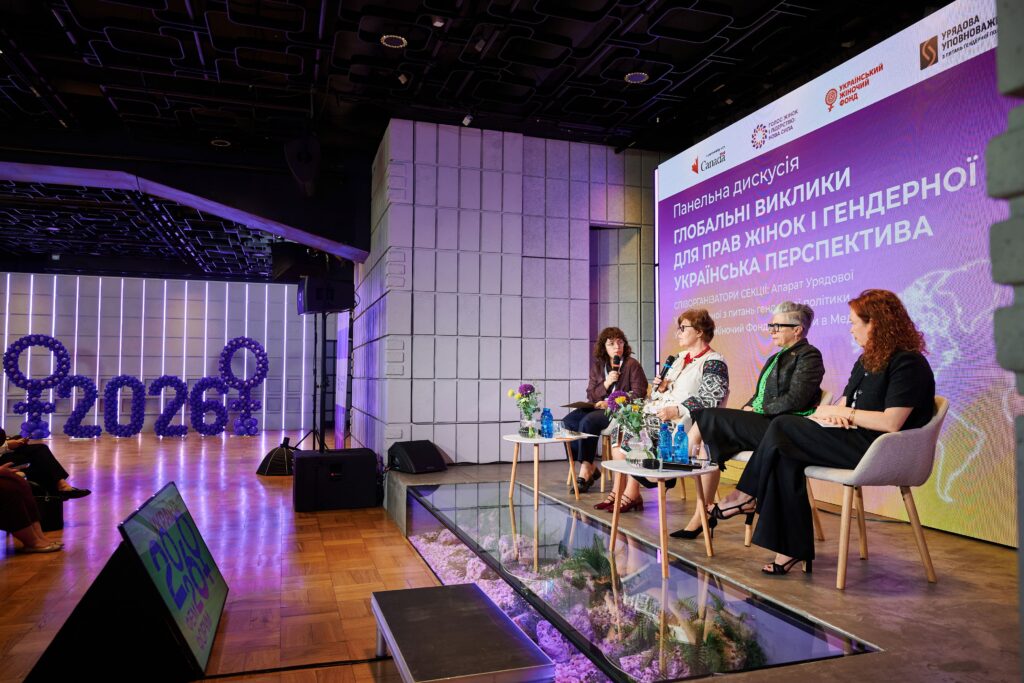
“Feminism doesn’t exist in isolation from other processes”
Natalka Cmoc, Ambassador Extraordinary and Plenipotentiary of Canada to Ukraine, stressed that despite all the work done in previous years, the very notion of “feminism” is still misunderstood — seen as a movement supposedly aimed at placing women above men.
“Every time I hear that claim, it makes me smile. But at the same time, the number of people who believe it is frightening. In reality, feminism is a human rights movement. Its goal is to ensure that all people have equal access to opportunities, services, rights, and resources,” Cmoc said.
Laila Alodaat — a prominent Syrian human rights defender and lawyer specializing in international law and women’s rights, who now serves as Executive Director of Prospera, the International Network of Women and Feminist Funds, said in her speech that we are up against a global anti-rights movement that has substantial resources and is funded all over the world.
“This movement won’t stop on its own. We have to stop it,” Laila said.
Kateryna Levchenko compared anti-gender movements to the Colorado potato beetle in a vegetable garden. No matter how much you fight it, every year it comes back.
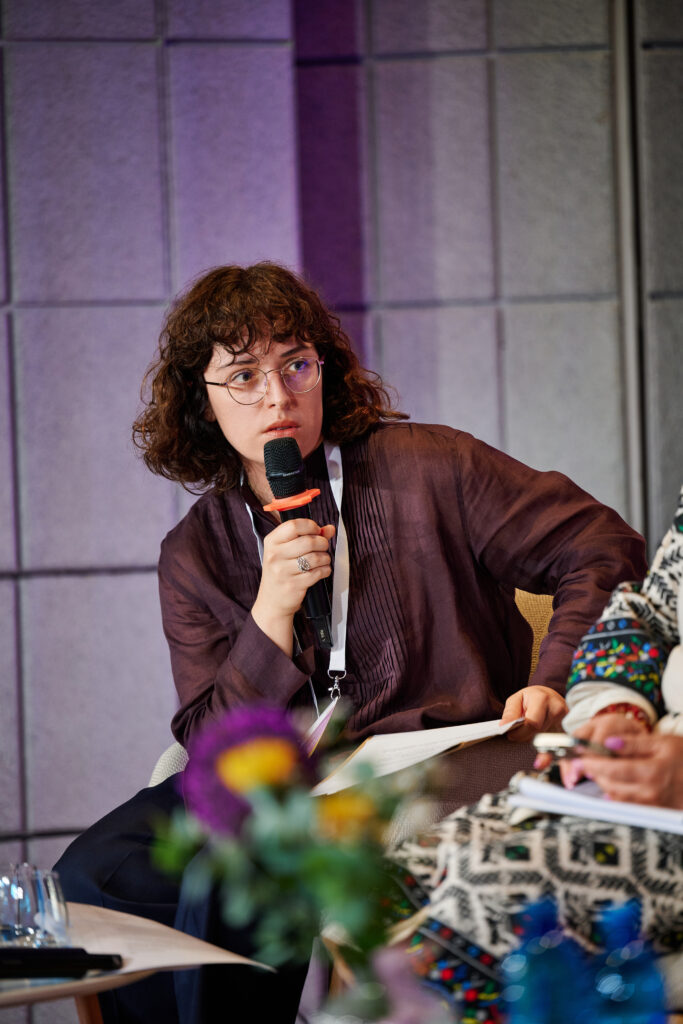
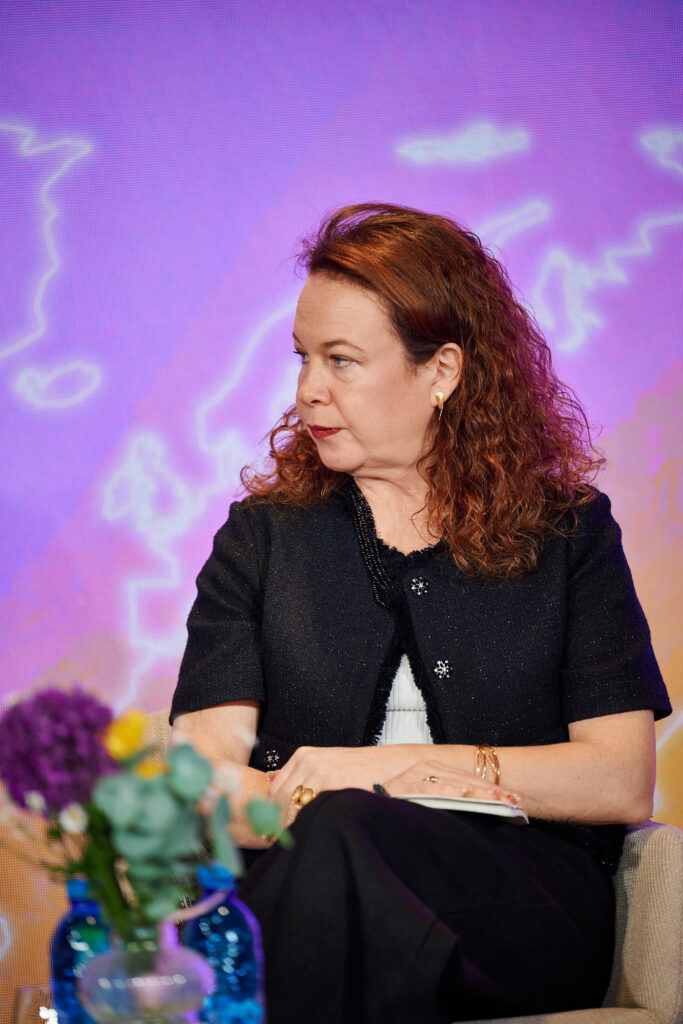
“You can’t win the fight for gender equality once and for all. The moment you stop fighting, there will be backsliding, of course. Every single day you have to do something, again and again,” added Olena Shevchenko, an advocate for the rights of the LGBTIQ community.
But this constant struggle takes money. Lately, feminist organizations have been hit by funding cuts. Olena Shevchenko, head of Insight NGO, says the work needs stability, because living in perpetual crisis is draining and makes it hard to keep going.
“The world has changed. We have to make very fast decisions. We need access to fast funding, so that there are no pauses or stoppages in our systematic struggle,” she said.
Another warning sign is the talk of merging international bodies such as UN Women and the United Nations Population Fund. Sabine Freizer Gunes, the UN Women Representative in Ukraine, noted that the initiative to merge UN Women and UNFPA arose because member states are calling on the UN to work more efficiently — to be more economical and compact, but at the same time a more effective organization.
“It’s very important for feminist movements around the world to tell UN Women, UNFPA, and the Secretary-General whether or not they support such a merger. Because the discussion is still ongoing,” she said.
Kateryna Levchenko also outlined a problem in which international donors demand that Ukrainian organizations not mention Russia in their reports and refer to the Russian occupation simply as “occupation” — stripping the war of its agency in the process.
“Let’s not agree to this! Because 100,000 dollars and our shared future are not the same price for our consent,” she urged.
“Collective action matters enormously”
But these problems should not stop those fighting for human rights. On the contrary, they should be a spur to come together and act jointly. Natalka Cmoc emphasized that in times of war, human rights need even more attention.
“Feminism doesn’t exist in isolation from other processes. Its foundation is interconnection and solidarity,” the ambassador said.
The Ukrainian feminist movement is already influencing decisions worldwide. Sabine Freizer Gunes, the UN Women Representative in Ukraine, recalled that one example of this influence is the UN Secretary-General’s acknowledgment that Russia uses sexual violence as a tool of war in Ukraine and that this must be brought to an end. To a large extent, this was made possible by the advocacy work of organizations that support survivors, as well as Ukrainian feminist organizations such as SEMA Ukraine, Numo, Sisters!, and others.
“This vividly demonstrates that you are already shaping the global agenda. The same can be said of the Women, Peace and Security agenda, in advancing which Ukraine — and many of those present here — play an important role,” Sabine said.
Liza Kuzmenko recalled another example of solidarity. This year, 22 diplomatic missions signed a joint statement in support of the LGBTIQ community.
“For me, it’s very important to hear that our European and international partners are coming together to send a powerful signal — including to our own government — in support of civil partnerships and same-sex marriage,” Liza said.
Canadian Ambassador Natalka Cmoc called on countries that are democratic, share common values, and believe in human rights to unite and turn those values into concrete mechanisms of support for the countries that need them.
“Recognizing same-sex partnerships and anti-discrimination legislation is a very concrete example of how this kind of cooperation can work. But we need to scale up initiatives like this and keep working in this direction. Collective action matters enormously,” Cmoc noted.
Coming together can serve not only shared work but also the funding of that work. The women’s funds network Prospera is one such example.
“Instead of competing for a limited pool of funding, we joined forces and agreed to assess who needs the money most. Those who don’t need support as a top priority right now can opt out. And those who need the money urgently receive an equal share of the available resources,” says Executive Director Laila Alodaat.
The panelists concluded that coming together matters, sisterhood works, and there is a great deal to be done. But there’s an encouraging takeaway: as Olena Shevchenko put it, a generation of young people has grown up in Ukraine for whom feminism and women’s rights are simply a given.
By: Olena Kushchenko, Women in Media. Photo: Ukrainian Women’s Fund.